Preservation
Historical preservation begins with recognizing what has survived, documenting its context, and helping ensure that the evidence and the stories connected to it remain available for the future.
At A Well-Regulated Press, preservation can involve artifacts, photographs, documents, historic places, family records, and the research that establishes their significance. The goal is not simply to preserve an object or record, but also the provenance, relationships, and knowledge that give it meaning.
Historical Gallery
Photographs documenting the discovery of the Prescott family samplers and the research that followed, including the original artifacts, family records, historic places, museum visits, and the return of the samplers to Pownalborough Court House.
Explore the Historical Gallery
The Schoolgirl Samplers in the Ziploc Bag
The story of six related schoolgirl samplers discovered together at a California auction, and the process of identifying the girls who made them, reconstructing their family connections, and restoring the historical context that had nearly been lost.
Read the research paper
Six Stitches Through Time
Published in PieceWork, this article shares the sampler discovery and the historical connections revealed by the surviving needlework, carrying the significance of the artifacts and the stories connected to them to a wider audience.
Watch the presentation · View the PieceWork issue
Pownalborough Court House: The 1936 Historic American Buildings Survey
The 1936 HABS documentation created a permanent architectural record of Pownalborough Court House. This project preserves, contextualizes, and makes that historic documentation accessible again, connecting the original survey with the history of the building and the people who documented it.
Learn about the HABS publication
Returning History to Its Community
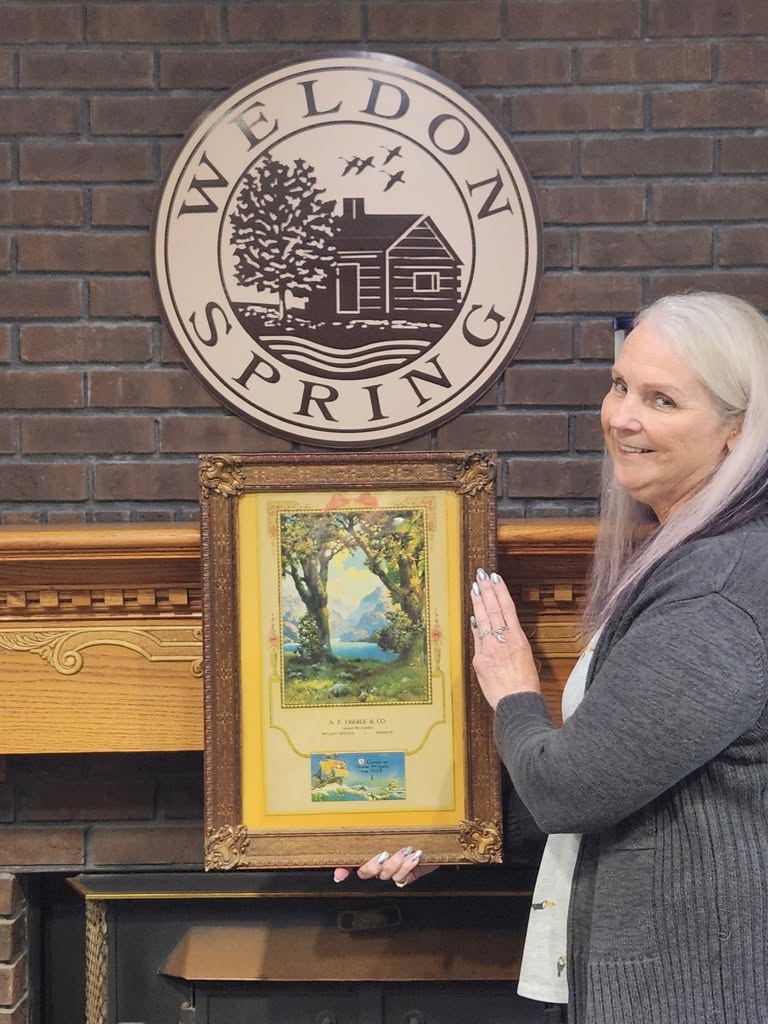
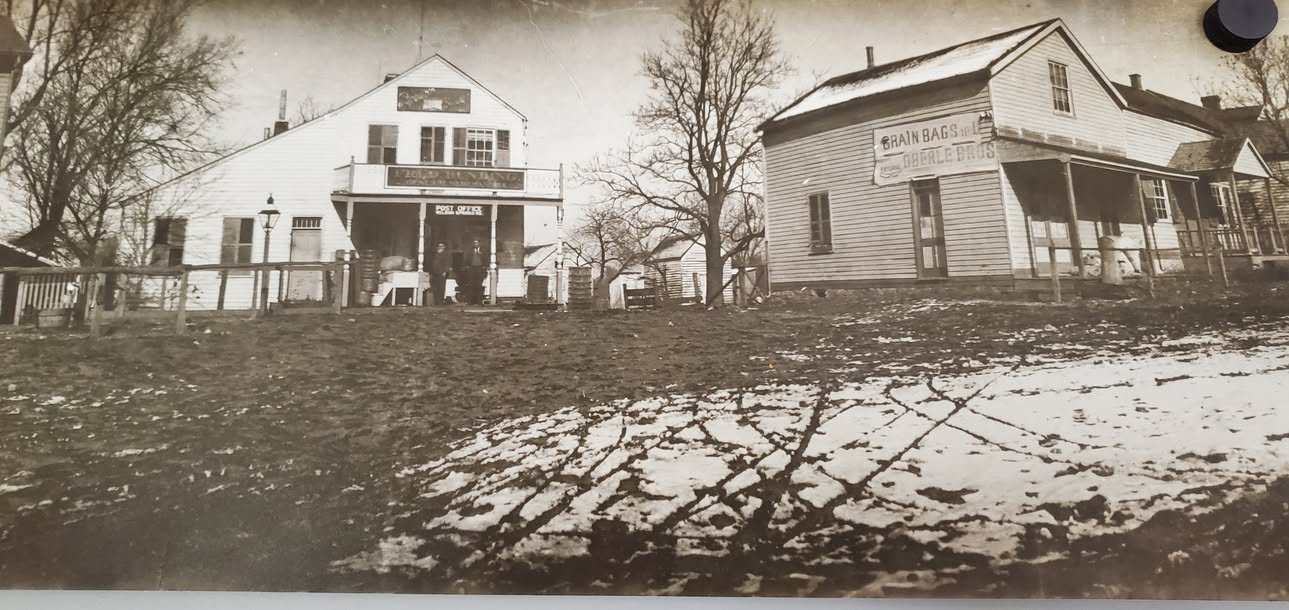
In 2023, a 1928 advertising calendar from Weldon Spring, Missouri, was traced to the Oberle Brothers feed store, a local business from the early twentieth century for which little physical evidence remained. After its history was confirmed with the City of Weldon Spring, the calendar was donated to the city, where it was placed on display at City Hall.
The return illustrates a simple preservation principle: when an artifact has a meaningful connection to a community, restoring that context can be as important as preserving the object itself.
Preserving a Rare Family Photograph
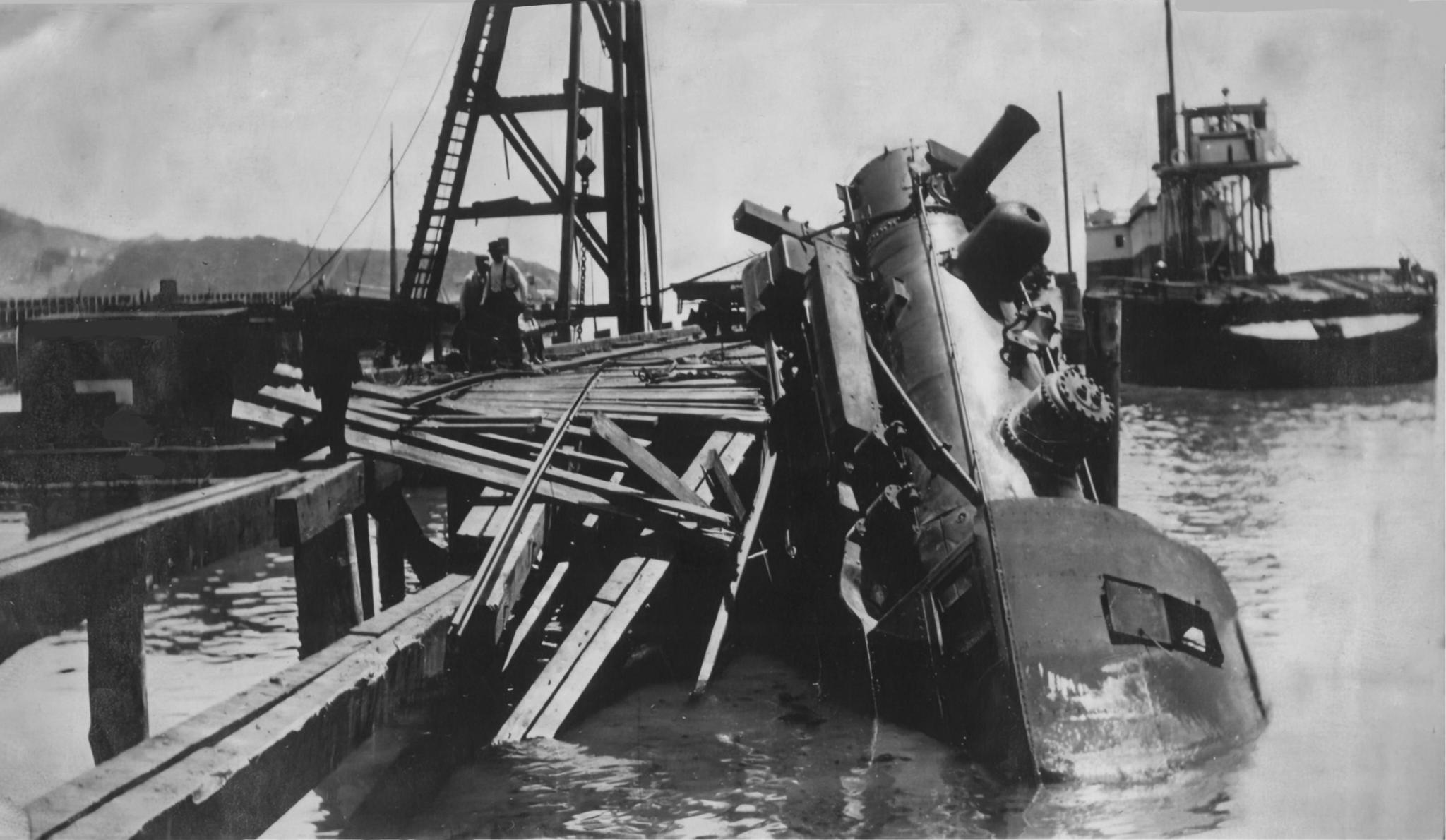
A photograph preserved in the family collection documents the 1913 collapse of a Northwestern Pacific Railroad pier at Tiburon, California, when locomotive No. 112 fell into San Francisco Bay. The locomotive was recovered, repaired, and returned to service.
At present, no other copy of this photograph of the accident is known to us. Preserving the image together with its historical context helps ensure that this unusual visual record of Tiburon's railroad history remains identifiable and accessible.
Preserving More Than Objects
Preservation is more than keeping an object safe. It means preserving provenance, context, relationships, and the knowledge that gives historical evidence meaning. Sometimes the most appropriate outcome is also returning an object to the place and community where its story can continue.
Preservation protects the evidence. Research asks what that evidence can tell us.
Explore the Research initiative